
Rimini, 5 November 2026. On the third day of ECOMONDO 2026, attention turns to the competitiveness of Europe's recycling industry, the future of circular economy legislation and the technologies transforming waste into valuable resources.
Discussions throughout the event, including those held the previous day, highlight an important shift: the circular economy is no longer simply an environmental priority. It is increasingly a matter of industrial competitiveness, resource security and technological investment.
One of the central topics is the future Circular Economy Act, a European legislative initiative aimed at strengthening secondary raw materials markets and the recycling industry.
A study presented by CONAI and TEHA Group highlights the €555 billion economic impact of European recycling. Discussions brought together European Commission representatives, including Eric Mamer, MEP Pierfrancesco Maran, and organisations such as EXPRA.
The 15th edition of the States General of the Green Economy also addressed the challenges of the ecological transition amid geopolitical tensions and growing resource dependencies.
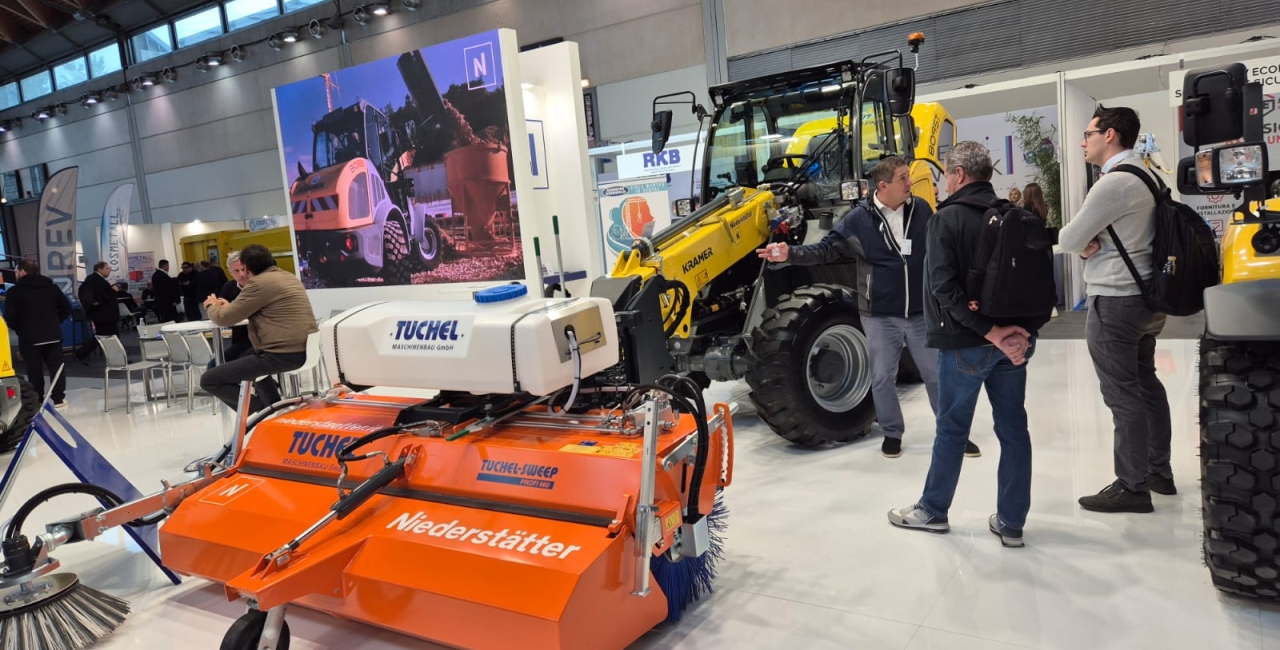
Beyond the conferences, the exhibition halls provide a practical view of industrial transformation: waste processing equipment, specialised machinery, robotic sorting systems and advanced material recovery technologies.
Companies including Vermeer, Niederstätter and REV are showcasing solutions designed to improve operational efficiency.
As an official media partner of ECOMONDO 2026, InfoMediu Europa continues to follow these developments and their potential relevance for Romania's environmental industry.
The future of the circular economy will not be shaped by regulation alone. It will depend on investment, technology and our ability to turn waste into valuable resources.
#ECOMONDO2026 #InfoMediuEuropa #CircularEconomy #Recycling #GreenEconomy #WasteManagement