For English Readers

Environmental news in English

Leybold vacuum technology ensures efficient recycling of lithium-ion batteries

Leybold vacuum technology ensures efficient recycling of lithium-ion batteries

Vacuum processing guarantees recycling rates of up to 95 percent for rare raw materials

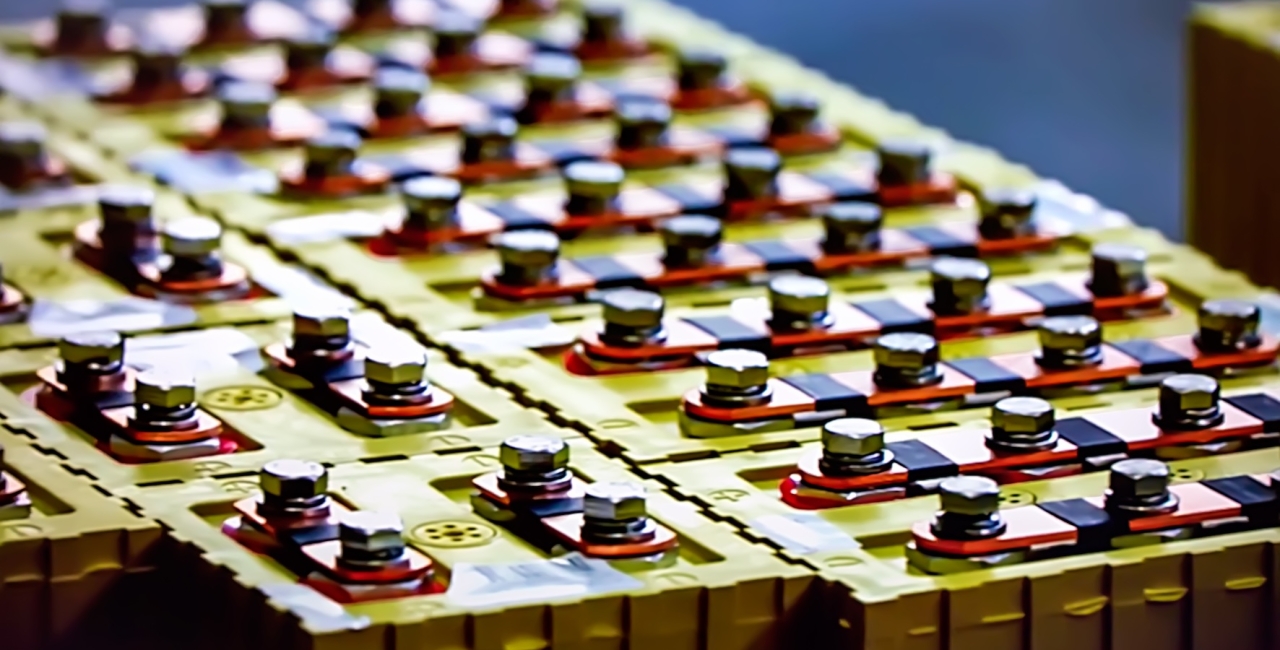
Vacuum technology is used in numerous process steps in the manufacture of lithium-ion batteries: in mixing and degassing the battery slurries, in drying the coils, in filling, and in the subsequent leak test. But vacuum technology is also indispensable in mechanical recycling, so that the cell modules can be dried in the process.

Three recycling processes:

1. Pyrometallurgy

There are three processes for

Finnfund and Trine launch strategic cooperation to scale electric logistics solutions across Africa

Finnfund and Trine launch strategic cooperation to scale electric logistics solutions across Africa

Finnfund, a Finnish impact investor, has committed a EUR 10 million senior debt investment in Bisedge Holdings, a leading African provider of electric material handling equipment and logistics-as-a-service solutions. The investment will support the expansion of electric forklift fleets in Nigeria, Tanzania and Kenya, helping businesses reduce emissions while improving operational efficiency.

The transaction marks Finnfund’s first electric vehicle (EV) investment in Africa, complementing its

Legal Update: Melt and Pour: new documentation requirement for steel imports

Legal Update: Melt and Pour: new documentation requirement for steel imports

Since 1 October 2026, importers of certain steel products have faced a significant new compliance requirement: they must now be able to identify and document the country in which the steel was first melted and cast. Failure to provide adequate evidence can result in imports being refused at the EU border, regardless of available quota capacity, with potentially far-reaching consequences for supply chains, customs duties and contractual risk allocation.

This article examines the EU’s new “Melt